Garden Maintenance in Hammersmith

Garden maintenance in Hammersmith should keep outdoor space neat, manageable and ready to enjoy through the seasons. We provide practical ongoing care for domestic gardens and shared external areas, with work shaped around the condition of the planting, the layout of the site and the level of upkeep needed. That can include routine mowing, edging, trimming, weeding, clearing and general tidying, all carried out with a steady focus on finish, presentation and plant health.
For many properties, the right approach is not a one-off overhaul but a consistent maintenance plan that prevents minor jobs from building into bigger ones. Our service can be arranged to suit regular visits or occasional catch-up work, depending on what the garden needs. If you are looking for a straightforward way to keep borders, lawns and shrubs under control, you can begin with our services overview and then decide which tasks matter most.
We support a wide range of maintenance needs, from keeping paths clear of loose cuttings to helping planting areas look tidy after a spell of growth. Where there is a mix of lawn, hedges, beds and paved space, each part of the garden benefits from a different method and finish. The aim is not simply to cut things back, but to keep the whole space orderly and usable without overworking the planting or leaving uneven results.
Routine lawn and border care
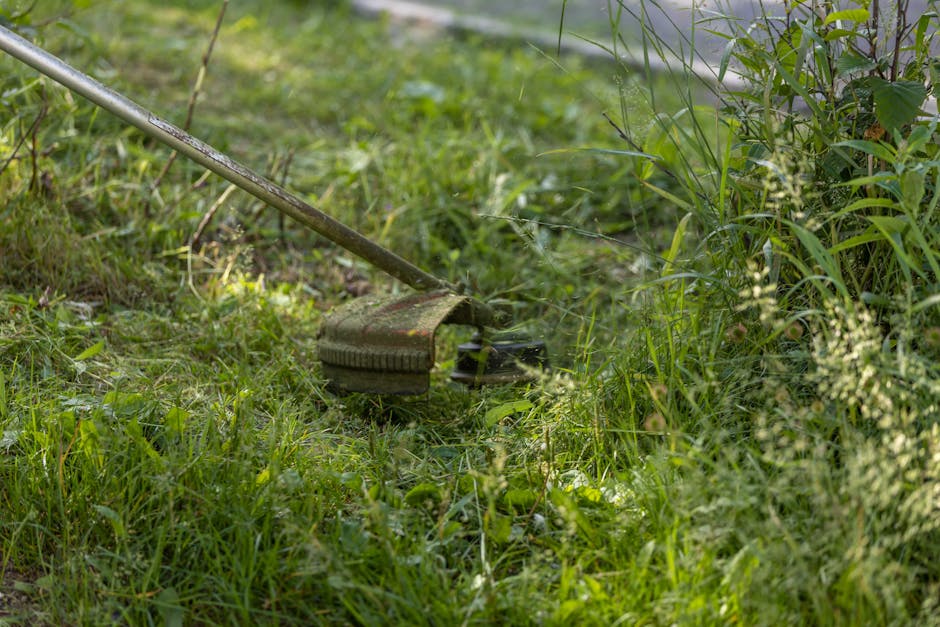
Lawn maintenance is often the most visible part of garden care, so a good result starts with an even cut and finishes with crisp edges. We can mow to suit the condition of the grass, deal with awkward corners and clear the cuttings where required. Where lawn edges have become soft or untidy, edging helps restore a more defined outline and makes the garden appear properly looked after rather than simply cut down.
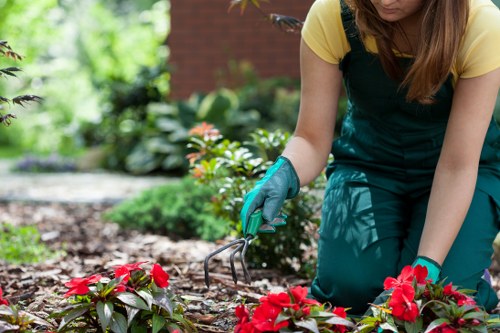
Borders need just as much attention. Weeding, deadheading, light pruning and seasonal clearance all help beds stay balanced and easier to manage. Our work in this area is designed to keep planting open enough for healthy growth while removing congestion, seed heads and spent material. If you want to compare this with the wider range of garden work available, our garden maintenance page gives a useful starting point for the kind of ongoing tasks we handle.
What regular visits can include
Typical maintenance visits may combine several smaller jobs into one efficient visit. The exact mix depends on the size of the space and what has been allowed to build up between visits, but common tasks include:
- Grass cutting and edging
- Weeding in beds, borders and paved areas
- Pruning back light overgrowth
- Removing leaves, clippings and other green waste
- General garden tidying and resetting of visible areas
Hedge trimming and light shaping

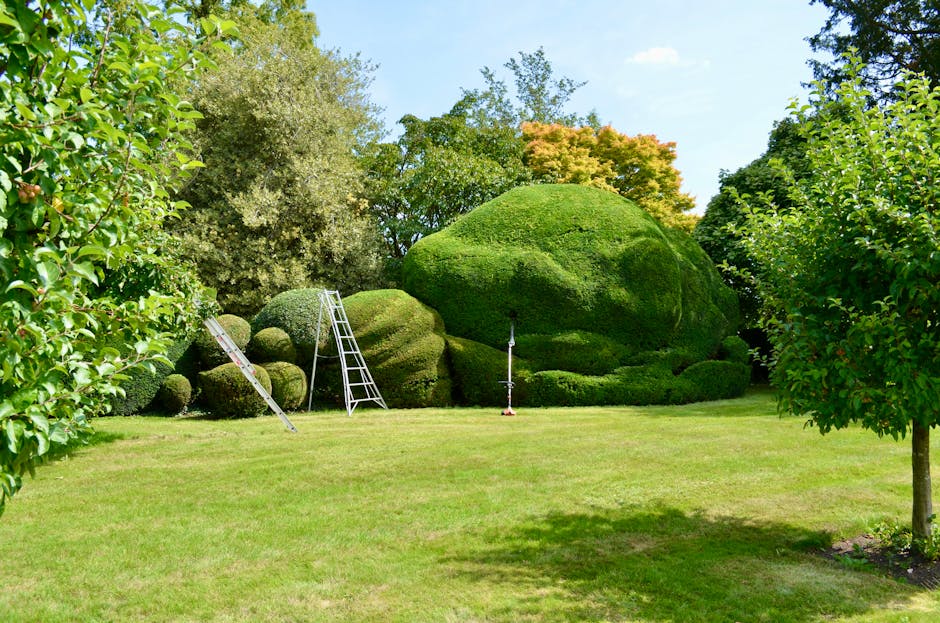
Hedges often define the shape of a garden, but they also need measured cutting so they remain dense, neat and within bounds. We provide hedge trimming as part of a broader maintenance visit or as a separate job when growth has become uneven. Different hedge types need different treatment: some benefit from regular light trimming, while others need more selective reduction to preserve form and reduce bare patches.
Where shrubs or small trees have begun to spread into paths, fences or neighbouring planting, light shaping can improve both appearance and access. We work carefully around nesting seasons, tender growth and visible structure so the finished result is balanced rather than clipped to a blunt line. For customers who need a dedicated service page for this type of work, our hedge trimming information sets out the service in more detail.
Good hedge care also helps a garden feel more spacious. Rather than leaving tall, untidy sides to encroach on the usable parts of the plot, trimmed growth keeps boundaries clear and makes the rest of the garden easier to maintain. In a smaller outdoor area, that can make a noticeable difference to how the space reads from a window, patio or access route.
Keeping outdoor space clear and usable
Garden maintenance is not only about plants. A tidy garden also depends on clear surfaces, sensible access and the prompt removal of loose material. Fallen leaves, branches, weeds pushing through paving and accumulated clippings can all make a space look neglected even when the planting itself is in reasonable condition. By dealing with these details as part of the service, we help keep the whole area easier to use and simpler to look after.
Some gardens need one-off clearance before routine upkeep can begin. This is especially common after a period of neglect, after heavy seasonal growth or where storage, old pots or broken garden material have started to take over. In those cases, it can be useful to combine maintenance with a more comprehensive clearance approach. Our garden clearance page covers that type of work for spaces that need a stronger reset before regular care resumes.
We also consider how the garden is used day to day. Spaces that serve as a route to a side gate, bin store or seating area need practical attention to paths and surrounding growth, not just the borders themselves. A maintenance visit can therefore include tidying along edges, keeping entrances open and removing the kind of clutter that makes a garden harder to enjoy safely and comfortably.
Supporting planted areas through the seasons

Planting changes through the year, so maintenance needs to be responsive rather than fixed. In spring and summer, fast growth often means more frequent cutting, deadheading and selective pruning. In autumn, the emphasis may move toward leaf clearing, border tidying and preparing the garden for wetter conditions. In winter, the work often focuses on structure, access and removing damaged or tangled growth without disturbing plants that should remain in place.
That seasonal rhythm is important because gardens can quickly look untidy if the timing is wrong. Cutting too hard, too often or in the wrong part of the cycle can reduce flowering and leave shrubs misshapen. A careful maintenance approach keeps the focus on proportion, with enough removal to improve appearance and enough restraint to protect the planting. Where a garden needs broader design or structural changes, our landscape gardening service may be more appropriate than routine upkeep alone.
We can also adapt work where there are mixed planting styles, such as formal borders, informal shrubs, pots and small lawn areas in one space. Each part benefits from different handling, and the overall finish improves when the tasks are matched to the layout rather than treated as identical. That kind of attention is often the difference between a garden that simply looks cut back and one that feels properly maintained.
Garden maintenance and related outdoor works
Some customers need maintenance alongside other practical improvements to make the space easier to manage over time. That might mean refreshing a tired area, improving edging, or combining maintenance with a more structured update to hard landscaping features. If paths, steps, sleepers or surface finishes are part of the garden plan, the whole area may benefit from a joined-up approach instead of being treated as separate jobs that never quite fit together.
For gardens where timber features play a noticeable role, decking can also need periodic attention to keep surrounding planting from swallowing the usable area. While decking itself has its own requirements, maintaining the adjoining beds, borders and access points helps the whole setting feel coherent. Our decking services page is useful if you are considering work that sits alongside the garden rather than within the planting alone.
How we approach price and scope
Costs usually depend on the garden’s size, the type of maintenance needed and whether the work is routine or a more substantial catch-up visit. A straightforward lawn and border tidy will generally involve less time than a garden that needs clearance, hedge trimming and waste collection in one visit. If you want to plan ahead, our pricing and quotes page explains how to request a quotation for the work you have in mind.
Hammersmith as a place with varied green and urban character
Hammersmith is a district in west London on the north bank of the River Thames, long shaped by its position on a historic crossing point and by the roads and transport routes that pass through it. The area sits within the London Borough of Hammersmith and Fulham and is known for combining dense urban streets with riverside stretches, commercial corridors and residential pockets that vary in age and character. The district name is closely linked with the old Hammersmith Bridge crossing and the river frontage that has influenced movement, trade and local identity for centuries.
The built environment includes Victorian and Edwardian housing, later infill development and prominent modern commercial buildings around the centre. Hammersmith Broadway acts as a busy transport focus, while the nearby riverfront offers a different atmosphere with embankments, terraces and views across the Thames. The area is also notable for cultural life, including the historic Riverside Studios and the long-established Hammersmith Apollo, both of which contribute to the district’s wider reputation beyond its residential streets.
Open space is part of Hammersmith’s character as well. Parks, smaller gardens, tree-lined roads and planted frontages sit alongside the main streets, so the district contains a blend of hard urban surfaces and softer green pockets. That mix is one reason the area reads as both compact and varied: a short walk can move from riverside paths to busier commercial stretches and then into quieter residential lanes. For anyone interested in the locality itself, this combination of transport history, riverside geography and mixed architecture gives Hammersmith a distinctive place within west London.
Planning regular upkeep for a dependable finish
Many gardens look best when maintenance is scheduled before growth gets ahead of the work. A regular pattern can make tasks more predictable, reduce the amount of heavy tidying needed each time and keep the garden in a stable condition through the year. It also helps when a property includes different surfaces and planting styles, because each area can be addressed before it starts to affect the others.
Where access, waste volume or mixed tasks may influence how a visit is organised, it helps to set out the practical details clearly at the outset. A concise description of what needs doing is usually enough to establish whether the work is mainly mowing and edging, hedge cutting, border care or a wider tidy-up. When you are ready to make that first contact, our contact us page provides a direct way to request a quotation.
To keep planning simple, it is often useful to think in terms of the visible finish you want rather than trying to list every small task in advance. For example, you might want the lawn even, the hedges restrained, the borders cleared and the whole garden reset for the season. That kind of outcome-based brief helps shape the visit while still leaving room for the most suitable methods on the day. Clear priorities make maintenance more effective.
Ongoing maintenance for different garden types

Different gardens need different levels of attention, and maintenance should reflect the scale and style of the space. Small town gardens often need careful use of time because the same area may combine lawn, paving, containers and narrow beds in a compact footprint. Larger gardens may allow each section to be tackled in a more measured way, but they can also require more coordination where growth is uneven or where access is less straightforward. Our aim is to match the work to the garden, not force every site into the same routine.
We can also help maintain gardens with mixed levels of formality. Some spaces are built around neat geometry, clipped edges and repeated planting, while others have a looser feel with shrubs, seasonal plants and naturalistic borders. Both can be maintained well, but they call for different judgement. A formal garden usually rewards consistency and precise lines, while an informal garden often benefits more from selective tidying, thoughtful reduction and removal of spent material without losing its softer character.
If you would like to make an enquiry, please get in touch and tell us what your garden needs at the moment. A short description of the current condition and the type of finish you want is enough to begin. We can then discuss the right level of maintenance and arrange the next step. Request your quotation today.