Garden care guides for Hammersmith Broadway residents
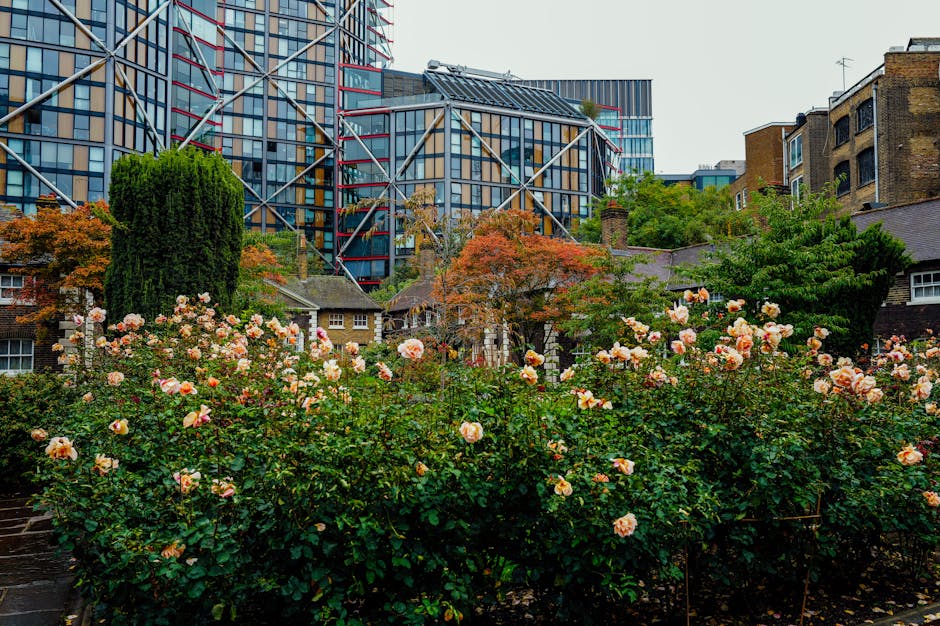
If you live or work near Hammersmith Broadway, garden care can feel like one of those jobs that should be simple, but somehow never is. One week the lawn looks thirsty, the next the hedges have shot up, and then there's the awkward bit: bin bags, damp leaves, patchy soil, and not quite enough time. These garden care guides for Hammersmith Broadway residents are built to help with exactly that. They bring together practical, local, and realistic advice so you can keep a small courtyard, a shared back garden, or a slightly tired outdoor space in better shape without overcomplicating it.
Truth be told, London gardens don't usually fail because people don't care. They fail because the space is busy, the weather swings around, and maintenance gets left until it becomes a bigger job than expected. So let's make it easier.
Why Garden care guides for Hammersmith Broadway residents Matters
Garden care is not just about keeping things pretty, although that part matters too. For residents around Hammersmith Broadway, regular maintenance helps gardens stay usable, tidy, and safe in a part of London where outdoor space is often limited. A neglected garden can quickly become the one place you avoid looking at. The fix is usually smaller than people think, but it needs rhythm.
Nearby streets and homes often deal with the same pressures: shaded spots from taller buildings, compact gardens with poor airflow, heavy foot traffic, and planting areas that dry out fast in summer but stay soggy after a wet spell. That mix means a generic one-size-fits-all approach rarely works. A local garden care routine has to be flexible. It should answer basic questions like: what needs attention this week, what can wait, and what needs a proper intervention before it spreads?
In our experience, the biggest win is consistency. Not perfection. A tidy border, a mowed lawn, trimmed hedges, and clear pathways make a garden feel manageable again. Even a small job, done regularly, changes the whole mood of the space. You feel it when you step outside in the morning. Less clutter. Less noise in the head, oddly enough.
Expert summary: A good garden care routine in Hammersmith Broadway is about small, regular actions that prevent bigger problems later. Think maintenance first, rescue work second.
If you need broader support beyond routine upkeep, a structured garden maintenance service can help keep everything on track, especially when life is busy or the plot has become a bit much.
How Garden care guides for Hammersmith Broadway residents Works
Good garden care works in layers. You start with the obvious bits, then move into the slightly hidden ones. That might mean cutting the lawn first, clearing debris, checking hedges and shrubs, and then looking at soil health, drainage, or overgrown corners. The order matters because a garden often looks worse than it is until the surface clutter is removed.
A practical guide usually breaks the job into recurring tasks:
- Weekly or fortnightly tasks: mowing, watering, light weeding, and sweeping paths
- Monthly tasks: hedge shaping, edging, pruning, checking for pests or disease
- Seasonal tasks: leaf clearance, planting, feeding, deeper pruning, and refreshing mulch
Hammersmith Broadway residents also tend to benefit from a space-based approach. A tiny patio needs different care from a family garden with a lawn, raised beds, and fencing. A shaded north-facing garden will behave differently from a sunny, wind-exposed one. Sounds obvious, but it gets missed all the time. One rainy week can make a lawn look fine; two weeks later, the same area may be slippery or starting to thin out.
For larger overgrown spaces, it is often sensible to begin with a proper reset. A one-off tidy-up, sometimes followed by ongoing visits, can be more effective than trying to catch up alone. If your garden has slipped past the point of a quick fix, garden clearance may be the cleaner starting point before routine care begins again.
There is also a difference between cosmetic care and structural care. Cosmetic care is what people notice immediately: mowing, trimming, sweeping. Structural care includes drainage, soil condition, plant spacing, and whether the garden layout still makes sense. Ignore the structural side for too long and the tidy look fades fast.
Key Benefits and Practical Advantages
There are a lot of reasons to keep on top of garden care, but the practical ones are the strongest.
- Better curb appeal: Even a modest outdoor space looks brighter and more cared for when edges are neat and growth is controlled.
- Safer access: Clear paths, managed hedges, and low debris reduce slip and trip risks.
- Healthier planting: Plants, shrubs, and lawns usually respond better when dead growth is removed and soil is kept active.
- Less stress later: Regular work prevents the dreaded "whole weekend gone" garden rescue.
- Better use of space: A tidy garden becomes somewhere to sit, grow, or simply breathe for a minute.
There is a quieter benefit too. A maintained garden tends to invite better habits. You water more often. You notice issues sooner. You stop postponing jobs because nothing feels out of hand. That's worth a lot, honestly.
For homeowners, landlords, and small property managers, routine upkeep can also support longer-term value by reducing the chance of damage from overgrowth, blocked drainage, or unchecked tree growth. If a garden includes mature trees or taller woody plants, a separate tree lopping and removal assessment may be needed when branches become unsafe, intrusive, or too heavy for the site.
And when the space includes hard surfaces, raised decking, or a more designed layout, don't treat the garden as separate from the structure. A well-kept outdoor area often depends on the surrounding features staying in good condition too. That is where decking services can matter as part of the bigger picture.
Who This Is For and When It Makes Sense
This guidance is useful for a pretty wide group. If you recognise yourself in any of the points below, you are in the right place.
- Busy residents: People who want a better-looking garden but do not have time for a full DIY routine.
- First-time garden owners: If you have moved into a new property and the outdoor space feels unfamiliar.
- Landlords or letting agents: When presentation and safety both matter, especially between tenancies.
- Families: If the space needs to be tidy, usable, and safe for children or pets.
- Older homeowners: If lifting, bending, and repeated maintenance are becoming harder work.
- Apartment or mews property residents: Small gardens still need structure, just with fewer moving parts.
It makes sense to act early rather than wait for a full seasonal clear-up. Hedges that are only slightly untidy are much easier to manage than hedges that have swallowed a boundary line. Same with lawns. A lawn that is a bit long is a maintenance task. A lawn that has turned into a patchy meadow? That becomes a project.
If you are weighing up whether to do it yourself or bring in help, ask two simple questions: do I have the time, and do I have the equipment? If the answer to either one is no, it may be more efficient to plan professional support through services overview rather than trying to patch things together one stressful weekend at a time.
Step-by-Step Guidance
Here is a simple, practical approach that works for most garden types around Hammersmith Broadway.
1. Start with a full visual scan
Walk the garden slowly. Look at the lawn, borders, fences, patios, planters, and any shaded corners. You are not trying to fix everything at once. You are identifying what needs urgent attention and what only looks messy.
2. Remove debris first
Clear leaves, broken twigs, old pots, dead annuals, and anything that blocks access. Once the clutter is gone, the garden usually looks 30 percent better immediately. No joke.
3. Tackle the lawn
If you have turf, mowing is usually the best next move. Cut only what the grass can handle, especially if it has grown long after wet weather. A very hard cut can stress it. If the lawn is uneven or overgrown, take it back gradually. For regular support, lawn mowing is often the most visible improvement you can make.
4. Shape hedges and shrubs
Trim hedges before they get leggy or block light. Work from the sides as well as the top, keeping the shape slightly tapered so the base gets enough light. If you leave them too long, they can become woody and harder to manage. For stubborn or boundary-heavy growth, hedge trimming can restore order faster than most people expect.
5. Weed and edge borders
Weeds are easiest to handle when they are small. Keep an eye on the edges between lawn and beds, because that is where the garden starts to look tired first. Clean edging instantly makes the whole plot look sharper.
6. Check soil and planting conditions
Lift a little soil, see whether it feels compacted or dry, and check whether plants are crowded. If water sits on the surface after rain, the issue may be drainage or soil structure rather than watering habits. You do not need to solve that overnight, but you do need to notice it.
7. Refresh the finishing details
Sweep paths, wipe down outdoor furniture, straighten pots, and remove the last few stray clippings. These finishing touches are small, but they change how the garden feels when you use it. That quiet, almost tidy silence after a proper clean-up? Very satisfying.
Expert Tips for Better Results
Let's be fair: most garden problems are not caused by a lack of effort. They come from doing the right thing at the wrong time, or the same thing too aggressively. A few small habits make a huge difference.
- Trim little and often: Light maintenance is easier to control than big seasonal cutbacks.
- Watch the weather: Wet grass tears more easily, and pruning in the wrong conditions can stress plants.
- Leave space around plants: Crowding leads to poor airflow, which can invite disease.
- Use mulch where it helps: A good mulch layer can reduce weeds and help the soil hold moisture.
- Keep tools clean: Clean blades and secateurs make neater cuts and reduce the spread of problems between plants.
One useful habit is to set a five-minute weekly inspection. Not work. Inspection. Just look around after a cup of tea, maybe on a Sunday morning when the light is softer and the garden shows its real condition. You will spot small issues before they become expensive, and that's the real trick.
If sustainability matters to you, think about how green waste is handled, what can be reused, and whether your maintenance routine creates unnecessary waste. The team's recycling and sustainability approach is relevant here, because good garden care should avoid needless disposal where possible.
Another quiet tip: do not let tidy boundaries disappear. A few minutes on edges, corners, and thresholds often makes a bigger visual difference than mowing the middle. Strange but true.
Common Mistakes to Avoid
Most garden care mistakes are understandable. They are usually made when people are rushing, tired, or working with the wrong expectations. Still, a few patterns come up again and again.
- Cutting too much at once: Over-trimming hedges or scalping a lawn can leave visible damage.
- Ignoring small jobs: A handful of weeds or a few fallen branches can become a whole-area problem surprisingly quickly.
- Using blunt tools: Ragged cuts are harder for plants to recover from.
- Forgetting drainage: If water pools in the same place every time it rains, the issue will keep returning.
- Leaving clearance too late: Once access is blocked, the work becomes slower and more expensive to sort.
- Mixing up cosmetic and structural problems: A tidy-looking garden can still have serious root, soil, or boundary issues.
One mild trap is overestimating what can be done in a single afternoon. Garden work has a way of expanding. You start with one border and end up wrestling a tangled hose, a half-buried plant pot, and a very determined patch of ivy. We have all been there, or something close to it.
If a garden has become genuinely overgrown or cluttered, a proper reset is usually smarter than endless patching. It is also the point where a more comprehensive garden clearance can save time and frustration.
Tools, Resources and Recommendations
You do not need a shed full of specialist kit, but a sensible toolkit helps. For most small London gardens, the essentials are straightforward.
- Sharp secateurs for light pruning and deadheading
- Shears or a hedge trimmer for controlled hedge work
- A reliable mower for regular lawn care
- Gloves that actually fit, not the loose ones that disappear into rose bushes
- A rake, broom, and wheelie bin or collection bags for clearing debris
- Weed pullers or a hand fork for border maintenance
- Watering can or hose setup for dry spells
For more complex jobs, equipment choice matters. A small mower may be fine for a compact garden but less effective on awkward, uneven ground. Likewise, hedge work near fencing or narrow access areas needs tools that suit the space rather than brute force.
Some jobs also need a bigger skill set than a normal weekend tidy-up. Landscape changes, soil reshaping, or redesigning a tired space are more than maintenance. That is where landscape gardening or broader landscaping support becomes useful, especially if you want the garden to work better instead of just looking neat for a day or two.
And if you are comparing help, do not look only at the headline job. Ask what is included, how waste is handled, whether safety is considered, and how often work needs to be repeated. A clear pricing and quotes page is useful because it helps you understand scope before any work begins.
Law, Compliance, Standards, or Best Practice
Garden care in London can involve practical safety and responsibility issues, even when the work looks simple. You do not need to become a legal expert, but it helps to know the basics.
For example, if work involves branches near property boundaries, unstable trees, or limited access, it is sensible to think about safety first. In some cases, tree work should not be treated as ordinary garden tidying. It may need more careful handling, especially where height, decay, or proximity to structures is involved. That is why services like tree lopping and removal are part of a responsible maintenance plan rather than an optional extra.
Good practice usually includes:
- using suitable tools for the job
- keeping access routes clear
- handling waste responsibly
- avoiding unsafe overreach or ladder use where possible
- checking whether work affects neighbours, shared access, or boundaries
If you are arranging professional help, insurance and safe working methods matter. That is not just paperwork. It is the difference between a tidy result and a mess nobody wants to explain later. The company's insurance and safety information is worth reviewing for that reason.
It is also sensible to understand how any contractor handles data, communication, and service terms. The relevant pages on privacy policy and terms and conditions help set expectations in plain language.
Options, Methods, or Comparison Table
Different gardens need different levels of care. Here is a simple comparison to help you decide what kind of support fits best.
| Approach | Best for | Strengths | Limitations |
|---|---|---|---|
| DIY upkeep | Small, manageable gardens with light growth | Low direct cost, flexible timing, hands-on control | Time-consuming, equipment needed, easy to fall behind |
| Occasional tidy-up | Gardens that mostly stay under control but need a reset now and then | Good for seasonal jobs, less commitment than regular visits | Problems can return if gaps between visits are too long |
| Scheduled maintenance | Busy households, rental properties, or gardens that need regular attention | Consistent results, fewer surprises, better long-term condition | Ongoing cost, needs a clear schedule |
| Full redesign plus upkeep | Spaces with poor layout, drainage issues, or chronic overgrowth | Solves underlying problems and improves usability | More involved and usually takes more planning |
For many Hammersmith Broadway residents, the sweet spot is somewhere between occasional tidy-up and scheduled maintenance. That way the garden stays presentable without turning into a second job. Because, let's face it, nobody moved to London to spend every spare weekend chasing brambles.
Case Study or Real-World Example
Picture a compact rear garden off a busy Hammersmith Broadway flat. The space has a small patch of lawn, two overgrown shrubs, a paved area with moss at the edges, and a corner where leaves have been collecting since autumn. Nothing dramatic. Just the kind of garden that starts looking "fine" and then, slowly, not fine at all.
The first pass focuses on the obvious issues: clear debris, cut the grass, trim the shrubs back to a sensible shape, and remove the dead material from the border. Straight away the garden feels wider. The paving looks cleaner because the edges are visible again. The lawn, even if imperfect, reads as cared for rather than neglected.
Next comes a more careful look at structure. Is the shaded area holding too much moisture? Are the shrubs blocking light from the rest of the garden? Do the borders need better spacing or a simpler planting scheme? Maybe yes, maybe no. But once the clutter is gone, those questions become easier to answer.
The real change is not just visual. The garden becomes usable again. Someone can sit outside with a coffee. A child can move around without stepping over mess. The whole space stops feeling like a task. That shift matters more than people admit.
Practical Checklist
Use this checklist to keep things steady through the year.
- Walk the garden once a week and note anything overgrown or damaged
- Keep lawn mowing on a regular schedule during active growing periods
- Trim hedges before they block light or access
- Remove dead leaves, twigs, and clutter before they build up
- Check borders for weeds and thin them out early
- Watch for pooling water, compacted soil, or bare patches
- Inspect fences, pots, decking, and hard surfaces for wear
- Handle tree work carefully and do not leave risky limbs too long
- Clear waste responsibly and avoid letting green debris sit around damp
- Book professional help if the job is growing faster than your time allows
Quick reminder: if you only do one thing this month, do the edges. They change the whole feel of the place.
Conclusion
Garden care for Hammersmith Broadway residents works best when it is practical, regular, and honest about what the space actually needs. A tidy lawn, clean borders, controlled hedges, and safe access can transform even a small outdoor area. And if the garden has slipped further than you would like, that is not a failure. It just means the job needs a proper plan.
Start with the basics. Clear the clutter. Cut back what is dominating the space. Then build a routine that suits your time, your garden, and the way you actually live. That is the part many people skip, but it makes all the difference. Not every garden needs a grand redesign. Sometimes it just needs steady, thoughtful care and a bit of attention at the right moment.
Get a free quote today and see how much you can save.
And if you are only taking one thing away from this guide, let it be this: a well-kept garden does not need to be perfect to feel peaceful. It just needs looking after, little by little.
Frequently Asked Questions
How often should Hammersmith Broadway residents maintain a garden?
Most gardens benefit from a weekly or fortnightly check, with mowing, light weeding, and quick tidying done regularly. Bigger jobs can be seasonal. The best rhythm depends on garden size, shade, and how quickly growth returns.
What is the best first step for an overgrown garden?
Start with a full clear-out of debris and dead material, then assess what needs cutting back. If the garden is badly overgrown, a proper reset through garden clearance may be the most sensible first move.
Do small gardens still need professional maintenance?
Yes, especially if you are short on time or the space has awkward access, fast-growing hedges, or recurring weed problems. Small gardens can be deceptively time-consuming because every corner is visible.
When should I book hedge trimming instead of doing it myself?
If the hedge is tall, dense, near boundaries, or starting to affect light and access, professional help can save time and reduce risk. Trimming early is usually easier than waiting until the hedge becomes woody and unruly.
Is lawn mowing enough to keep a garden looking tidy?
Not on its own. A neat lawn helps a lot, but edging, debris removal, hedge control, and border care are what make the whole garden look finished rather than half-done.
What are the biggest mistakes people make with garden care?
Common mistakes include cutting too much at once, ignoring drainage, letting weeds establish, and leaving seasonal jobs too late. Another big one is trying to do everything in a single day and then giving up halfway.
How do I know if my garden needs landscaping rather than routine maintenance?
If the layout no longer works, water pools badly, paths feel awkward, or planting areas need a proper rethink, then landscaping may be more appropriate than simple maintenance. Routine care keeps things tidy; landscaping changes how the space functions.
Can garden waste be handled responsibly after maintenance?
Yes, and it should be. Green waste should be cleared, sorted where possible, and handled in a way that avoids unnecessary mess or overflow. Sustainable handling is part of good garden practice, not an add-on.
What should I ask before hiring help for garden care?
Ask what is included, how often work is recommended, whether waste removal is part of the service, and how pricing is structured. It also helps to check insurance and safety details before any work starts.
Are there any safety concerns with mature trees in a small garden?
Yes. Branches near roofs, fences, or walkways can become a problem, especially if they are heavy or unstable. In those cases, it is better to get proper support rather than trying to manage it casually.
What if I only have time for one garden task this week?
Do the most visible and practical one first. For many gardens that means mowing, clearing debris, or edging borders. Small, consistent actions keep the garden from slipping backwards.
How can I make a garden feel nicer without spending a lot?
Focus on tidiness, spacing, and plant health before buying new features. A swept path, trimmed hedge, and clear border usually make a bigger difference than adding more objects to the space.