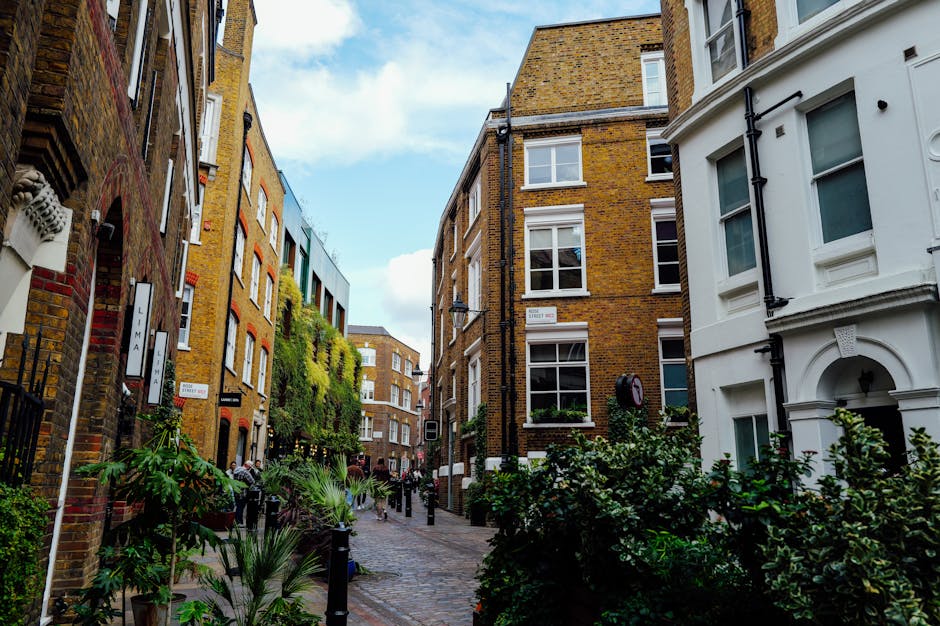
Garden maintenance King Street Hammersmith expert tips
If you live or work near King Street in Hammersmith, garden upkeep can feel like one of those jobs that is always half-finished. A quick tidy becomes a bigger prune, the lawn grows faster than expected after a wet week, and the patio starts collecting leaves just when you thought you were on top of it. This guide to Garden maintenance King Street Hammersmith expert tips is designed to help you stay ahead of that cycle with practical advice, local awareness, and clear next steps.
Whether your space is a small courtyard, a shared rear garden, or a more established plot that needs regular attention, the goal is the same: keep it healthy, manageable, and pleasant to use. You will find expert tips, common mistakes, a simple step-by-step approach, and a realistic look at when professional support makes sense. No fluff. Just useful guidance you can act on.
Why Garden maintenance King Street Hammersmith expert tips Matters
Garden maintenance is not just about making things look neat for a weekend. In a busy part of West London like King Street, it also affects how usable your outdoor space feels, how quickly small issues spread, and how much money you may spend later if problems are left to drift. A bed full of weeds does not stay polite for long. Nor does moss on paving, or a hedge that was meant to be trimmed "next month".
There is also a local reality to consider. Gardens in Hammersmith often face a mix of compact layouts, shade from nearby buildings, variable airflow, and regular foot traffic. That combination can create damp patches, uneven growth, and clutter build-up. A maintenance plan that works in a rural setting may be too slow or too vague here. You need routines that are tight, practical, and suited to urban conditions.
To be fair, many garden problems are not dramatic at first. A few fallen leaves after a windy afternoon. A lawn edge that starts to blur. A climber growing into a fence line. Then suddenly everything looks a bit tired. Maintenance matters because it keeps those small signals from turning into avoidable work.
Expert summary: The best garden maintenance in King Street Hammersmith is regular, seasonal, and realistic. Small jobs done consistently usually beat rare "big tidy-up" sessions that leave the garden under control for only a short while.
How Garden maintenance King Street Hammersmith expert tips Works
Good garden maintenance is a rhythm, not a one-off event. In practice, it usually involves checking the site, deciding what needs attention now, and then carrying out tasks in the right order. Start with visibility: what do you notice immediately when you step outside? Overgrown grass, dead growth, clogged borders, slippery paths, or a hedge blocking light? Those clues tell you where to begin.
For many homes and managed properties, maintenance works best in layers:
- Surface care such as mowing, edging, raking, sweeping, and clearing visible debris.
- Plant health including pruning, deadheading, feeding, watering, and checking for pests or disease.
- Structure care like hedge trimming, tree work, fence-line clearance, and occasional landscape repair.
- Seasonal resets including leaf clearance in autumn, spring tidy-ups, and winter protection.
If you want a broader service approach, it can help to look at garden maintenance support alongside related tasks such as lawn mowing, hedge trimming, and garden clearance when the space needs a proper reset. For larger or more complex gardens, a joined-up plan through services overview can make the work easier to coordinate.
One thing many people underestimate: maintenance is often more about sequence than effort. Mow before you edge. Clear before you prune. Remove waste before you inspect the soil. That kind of order saves time and, frankly, reduces the chance of making a mess twice.
Key Benefits and Practical Advantages
A well-maintained garden does more than look tidy in photographs. It feels calmer to use. It is easier to clean. It is less likely to harbour hidden problems. And in a local setting like King Street, where outside space is often at a premium, every square metre needs to earn its keep.
- Better curb appeal: Regular maintenance helps the property look cared for, which matters whether you are a homeowner, landlord, or letting agent.
- Safer walkways: Sweeping paths, controlling overgrowth, and dealing with slippery buildup can reduce day-to-day risks.
- Healthier planting: Pruning at the right time and removing dead material can improve growth and airflow.
- Less expensive catch-up work: Small, regular jobs often prevent larger clearances later.
- More usable outdoor space: A neat garden is simply easier to enjoy, whether that means coffee in the morning or a quick reset after work.
There is a softer benefit too. A garden that is under control tends to change how the rest of the home feels. You open the back door and it does not feel like a task waiting to happen. It feels usable. That matters more than people think.
Who This Is For and When It Makes Sense
Garden maintenance is for anyone who wants the outdoor space to stay healthy and manageable without letting it become a weekend-consuming project. Around King Street Hammersmith, that usually includes busy households, rented properties, small businesses with frontage, and residents who simply do not have the time or tools to stay on top of everything.
It also makes sense in a few common situations:
- You have inherited a garden that needs a proper first clean-up.
- Your lawn, hedge, or beds are outpacing your available time.
- You are preparing a property for sale or letting.
- You want regular support rather than occasional emergency clearances.
- You have planting you care about, but the maintenance side is slipping.
Sometimes the decision is about capacity, not knowledge. You might know exactly what needs doing, but life is full. Work, family, travel, weather - there is always something. In those cases, outsourcing some or all of the work can be the sensible choice, not the luxurious one.
If the space needs more than routine care, it may be worth comparing broader options such as landscaping or landscape gardening, especially where layout, drainage, or planting design is part of the problem rather than just the upkeep.
Step-by-Step Guidance
Here is a straightforward way to approach garden maintenance without overcomplicating it. It is not glamorous, but it works.
- Inspect the space properly. Walk the garden slowly and look at borders, paving, lawn edges, hedges, trees, and hidden corners. Notice what is growing, what is dying back, and what is getting in the way.
- Remove obvious waste first. Bag up leaves, broken twigs, spent plants, and loose debris. A clear working area makes the rest of the job easier and safer.
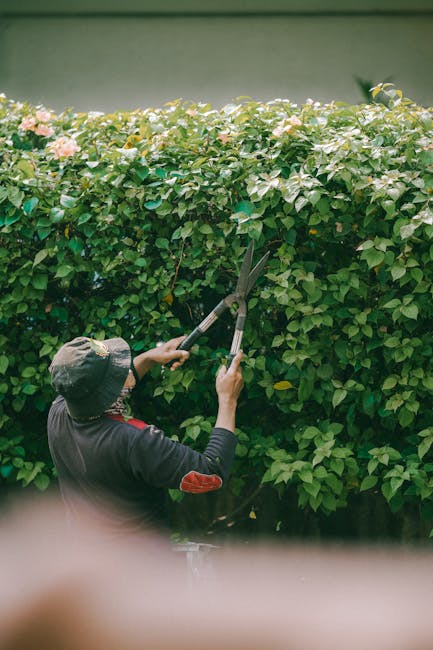
- Cut back what is overgrown. Trim hedges, reduce straggly growth, and remove dead or damaged material. Keep cuts sensible. Ruthless is not always better.
- Care for the lawn. Mow at the right height for the season, tidy the edges, and avoid cutting too short if the grass is stressed or patchy.
- Refresh borders and beds. Weed carefully, mulch if suitable, and check whether plants need staking, feeding, or repositioning.
- Check hard surfaces and structures. Look at decking, paths, fence lines, gates, and steps. Slippery or unstable areas should be dealt with promptly.
- Dispose of green waste responsibly. Separate recyclable green material where possible, and remove remaining waste without leaving it in damp piles.
- Set the next visit. Maintenance only works when there is a next step. Put a repeat schedule in place, even if it is simple.
If there is a lot of material to move, or the garden has been left for months, a dedicated garden clearance can help reset the site before routine care begins again. That is often the cleanest way forward. Less emotional, too.
Expert Tips for Better Results
Here is where a little experience really helps. A few smart choices can make maintenance quicker, easier, and more effective.
1. Work with the season, not against it
Spring growth, summer stress, autumn leaf fall, and winter damp all affect what your garden needs. Cutting and feeding should match the season. If you try to treat every month the same, you usually end up doing more work for worse results.
2. Tidy from the top down
Start with trees and hedges, then move to beds, then lawns, then paths. If you mow first and a hedge drops clippings all over it, you are doing things twice. It sounds obvious. Still happens all the time.
3. Keep an eye on water behaviour
After rain, look for standing water, muddy patches, and areas where moss keeps returning. These are often early signs of drainage or compaction issues. In a city garden, shade and confined airflow can make this worse, not better.
4. Trim for shape and health
Hedges and shrubs should be trimmed with a purpose. You want structure, light, and healthy regrowth, not just a flat green wall because it was the quickest option. Uneven cuts can be corrected, but repeated hard cutting can stress the plant.
5. Use maintenance to spot problems early
Routine visits are your chance to notice pests, dieback, fence damage, broken paving, or a tree that is leaning more than before. Catching these things early can make the difference between a small fix and a disruptive job later.
6. Do not let the garden become "too nice to touch"
Some gardens get so carefully planted that nobody wants to prune anything. That is lovely for a while, then things get crowded and weak. A healthy garden needs intervention. Not constant fussing, just steady care.
If you are planning work around hard landscaping or outdoor timber features, it can be helpful to think about decking services as part of the wider upkeep picture, because decking, steps, and planting often affect each other. A slippery deck beside overgrown beds is not ideal. Let's face it.
Common Mistakes to Avoid
Most garden maintenance mistakes are not dramatic. They are small habits that build up until the garden looks tired or behaves badly.
- Cutting too much at once: Over-pruning can shock plants and leave ugly gaps.
- Ignoring edges: A neat lawn with messy edges still reads as untidy.
- Leaving waste in piles: Green waste left too long can smell, rot, or spread mess around.
- Using the wrong timing: Some plants respond badly if cut at the wrong season.
- Forgetting access points: A blocked side passage or back gate slows everything down.
- Assuming one tidy-up solves everything: It rarely does. Maintenance is ongoing.
One of the biggest mistakes, honestly, is waiting until the whole garden feels overwhelming. By then, even simple jobs seem bigger than they are. That is when people start avoiding the space altogether, which is a shame. The solution is usually smaller and more boring than you hoped, but also more effective.
Tools, Resources and Recommendations
You do not need a van full of equipment to maintain a garden properly, but you do need the right basics. A decent mower, sharp secateurs, a hand fork, rake, shears, gloves, and a sturdy waste bag system will cover a surprising amount of work.
| Task | Useful tools | What to watch for |
|---|---|---|
| Lawn care | Mower, edging tool, rake | Avoid cutting too short in dry or stressed conditions |
| Hedge and shrub trimming | Hedge trimmer, hand shears, loppers | Check for nesting birds and cut in a controlled shape |
| Weeding and bed tidy-up | Hand fork, trowel, gloves, mulch | Remove roots where possible, not just tops |
| Leaf and debris control | Rake, broom, sacks, tarpaulin | Do not let damp piles sit too long |
| General reset | Wheelbarrow, bags, cut-resistant gloves, pruning tools | Sort waste before piling it up |
If your garden regularly produces more waste than you can manage easily, professional help may save time and reduce hassle. It can also be worth checking practical details like recycling and sustainability, especially if you care about how green waste is handled. For planning, budgeting, and comparing service scopes, pricing and quotes can help set expectations before work begins.
And yes, if you are unsure whether a task is straightforward or slightly risky, pause and assess it properly. That half-step back can save a lot of trouble.
Law, Compliance, Standards, or Best Practice
Garden maintenance in the UK is usually governed more by good practice than by dramatic legal complexity, but there are still important standards to keep in mind. If trees, hedges, access routes, shared boundaries, or waste handling are involved, care and judgement matter.
A few sensible points stand out:
- Tree and hedge work: Be cautious around protected trees, boundary issues, and anything that could affect neighbours. If in doubt, seek advice before cutting.
- Wildlife awareness: Avoid disturbing nesting birds or active wildlife habitats. Timing matters, and restraint is often the wiser move.
- Waste disposal: Green waste should be handled responsibly. Do not leave piles where they become a nuisance or trip hazard.
- Health and safety: Use suitable tools, wear protective gear, and avoid unstable ground or high-risk cutting without proper support.
For customers who want reassurance around safe working practice, it is sensible to review a provider's health and safety policy and insurance and safety approach. These are not glamorous pages, admittedly, but they matter. They show that the work is being done with care, not guesswork.
Where service terms, payment handling, or expectations need clarifying, it also helps to look at payment and security and terms and conditions. Good maintenance work should come with clear communication, not surprises.
Options, Methods, or Comparison Table
Not every garden needs the same approach. Some benefit from regular light maintenance. Others need an initial clear-out, followed by ongoing care. Here is a simple comparison to help you decide.
| Approach | Best for | Pros | Possible downside |
|---|---|---|---|
| Light regular maintenance | Gardens already under control | Keeps the space neat with less disruption | Can fall behind if visits are too infrequent |
| Seasonal maintenance | Properties with strong spring/autumn changes | Matches the pace of plant growth and leaf drop | May not be enough during peak growth periods |
| One-off clearance then maintenance | Overgrown or neglected gardens | Resets the space and makes ongoing care easier | Initial work can be more intensive |
| Combined maintenance and landscaping | Gardens needing both upkeep and layout improvements | Improves both function and appearance | More planning needed up front |
For some properties, combining ongoing upkeep with a bigger design improvement is the smartest move. A small change in path layout, border structure, or planting can reduce future maintenance pressure. If that sounds like your situation, broader landscaping support may be worth considering rather than just chasing the same problems every few weeks.
Case Study or Real-World Example
Picture a typical King Street side-return garden after a wet spell in early autumn. The lawn is long and soft underfoot, leaves have gathered in the corner by the fence, and one shrub has leaned out so far it is brushing the path. Nothing is badly broken. It just feels neglected.
In a situation like that, the best approach is usually not to start with the "most satisfying" task. You do not jump straight to detailed trimming. You clear the debris first, because otherwise you cannot see the real shape of the space. Then you mow. Then you edge. Then you prune the shrub and inspect the fence line, because once the clutter has gone you can actually judge what needs doing.
That sequence changes the whole feel of the job. Instead of chasing a dozen tiny issues, you create momentum. The garden starts to breathe again. The path looks wider. The border feels intentional. It is a small thing, but you notice it straight away when you step back with a cup of tea in your hand and the place suddenly looks calmer.
That is often the difference between maintenance and mere tidying. Maintenance has a plan. Tidy-up just hopes for the best.
Practical Checklist
Use this checklist before, during, or after any garden maintenance visit in King Street Hammersmith:
- Walk the garden and note visible issues.
- Remove loose debris and green waste first.
- Check lawns for length, patchiness, and edge definition.
- Trim hedges and shrubs carefully, keeping the natural shape.
- Weed borders and inspect for soil dryness or compaction.
- Look for standing water, moss, or slippery surfaces.
- Check trees, fences, gates, and hard surfaces for problems.
- Bag and dispose of waste responsibly.
- Confirm the next maintenance date.
- Review whether the garden needs clearance, mowing, trimming, or a broader reset.
Quick reminder: if a job feels too large for a single visit, split it into phases. That is not failure. It is just sensible planning.
Conclusion
Garden maintenance in King Street Hammersmith works best when it is regular, realistic, and tailored to the space in front of you. A compact urban garden does not need perfection. It needs attention, rhythm, and a steady hand. Start with the basics, avoid the common traps, and build a routine that fits your life rather than fighting it.
Truth be told, most gardens improve dramatically once someone simply keeps an eye on the small things. The grass gets shorter before it becomes a problem. The hedge stays in bounds. The borders stop looking tired. And the whole place becomes easier to enjoy, week after week.
When you are ready to make the process simpler, a professional service can take the pressure off and help you keep the outdoor space looking its best without turning every weekend into a chore.
Get a free quote today and see how much you can save.
Frequently Asked Questions
What does garden maintenance usually include in Hammersmith?
It usually includes mowing, hedge trimming, weeding, pruning, leaf clearance, border care, and general tidying. The exact mix depends on the size and condition of the garden.
How often should a garden near King Street be maintained?
That depends on growth rates, shade, and how much you use the space. Many gardens benefit from regular light maintenance, with more frequent visits during spring and summer.
Is one-off garden clearance better than regular maintenance?
They serve different purposes. Clearance is better for overgrown or neglected spaces. Regular maintenance is better once the garden is under control and you want to keep it that way.
Can garden maintenance help improve property value?
It can improve presentation and first impressions, which are important when selling or letting. It will not transform the market on its own, but tidy outdoor space certainly helps.
What is the difference between landscaping and garden maintenance?
Garden maintenance is about keeping an existing garden healthy and neat. Landscaping is broader and may involve layout changes, new planting, hard landscaping, or redesign work.
Do I need professional help for a small garden?
Not always. Some small gardens are easy to maintain. But if you are short on time, have awkward access, or want a consistently neat finish, professional help can still be worthwhile.
How do I know if my hedge needs trimming?
If it is blocking light, spilling into paths, losing shape, or showing weak growth inside, it is probably ready. The best timing depends on the type of hedge and season.
What should I do with waste after garden maintenance?
Green waste should be collected and handled responsibly. If the volume is significant, arranging proper clearance is usually easier than trying to manage it in small household bags.
Are there safety issues with DIY garden maintenance?
Yes, especially with ladders, heavy tools, slippery surfaces, and tree work. Low-risk jobs are manageable for many people, but anything higher, heavier, or unstable needs caution.
How can I keep maintenance costs under control?
Stay on top of small jobs, avoid letting growth get out of hand, and choose a maintenance schedule that matches the garden's needs. Bigger recoveries cost more time and effort later.
What if my garden has decking, paths, or other hard surfaces?
Then maintenance should include checking for slips, trapped debris, and edge growth. Hard surfaces often need as much attention as planting areas, especially in damp weather.
How do I choose the right provider?
Look for clear communication, sensible advice, and transparent terms. It helps to review a provider's about us page, practical service information, and policies before booking. If you have questions, the contact us page is the natural next step.
And if you are comparing providers more carefully, it can also be useful to read the company's recycling and sustainability approach, because that often tells you a lot about how organised the operation really is. Small detail, big clue.